Quick introduction to your production, venue and performance times.
Brewtopia is the second instalment of my theatrical trilogy, Three Beautifully Misguided Attempts at Joy, and will be performed at Upstairs at the Gatehouse in Highgate, London, on 17 and 18 November 2026 at 7:30 pm, as part of Voila! Theatre Festival.
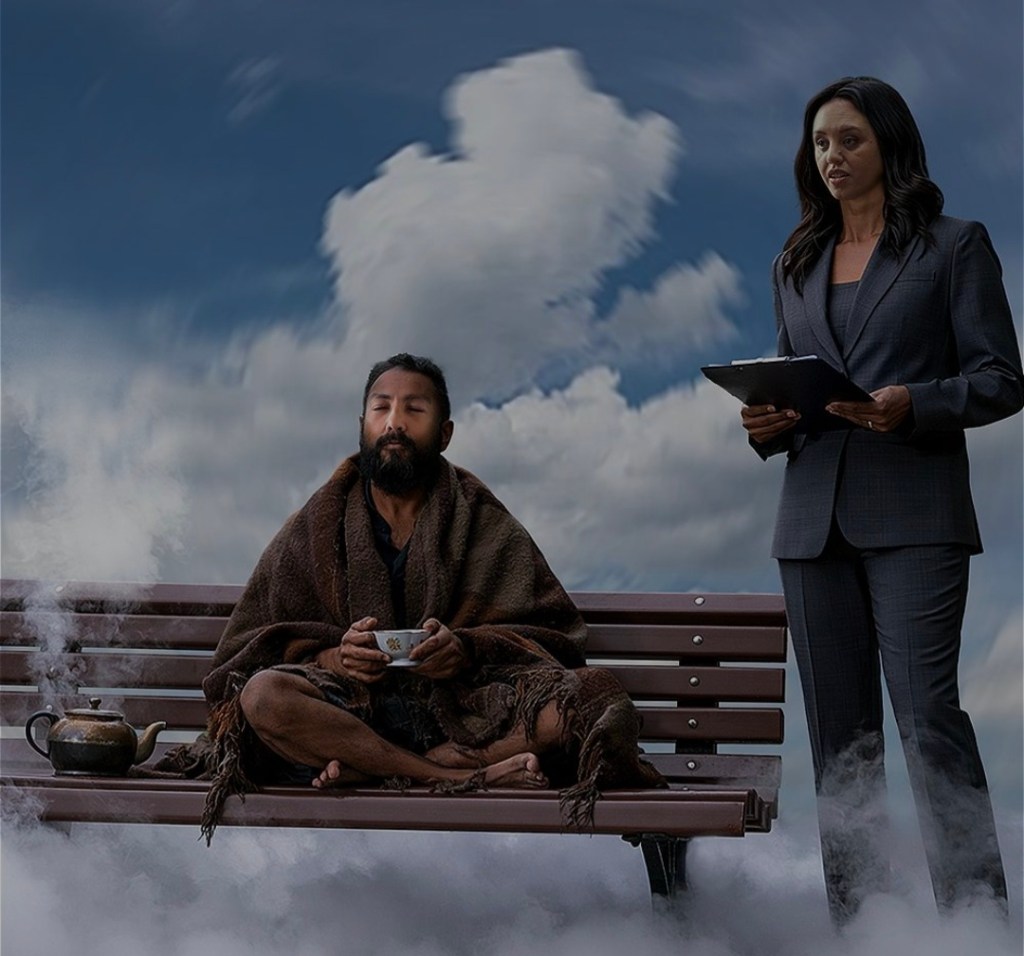
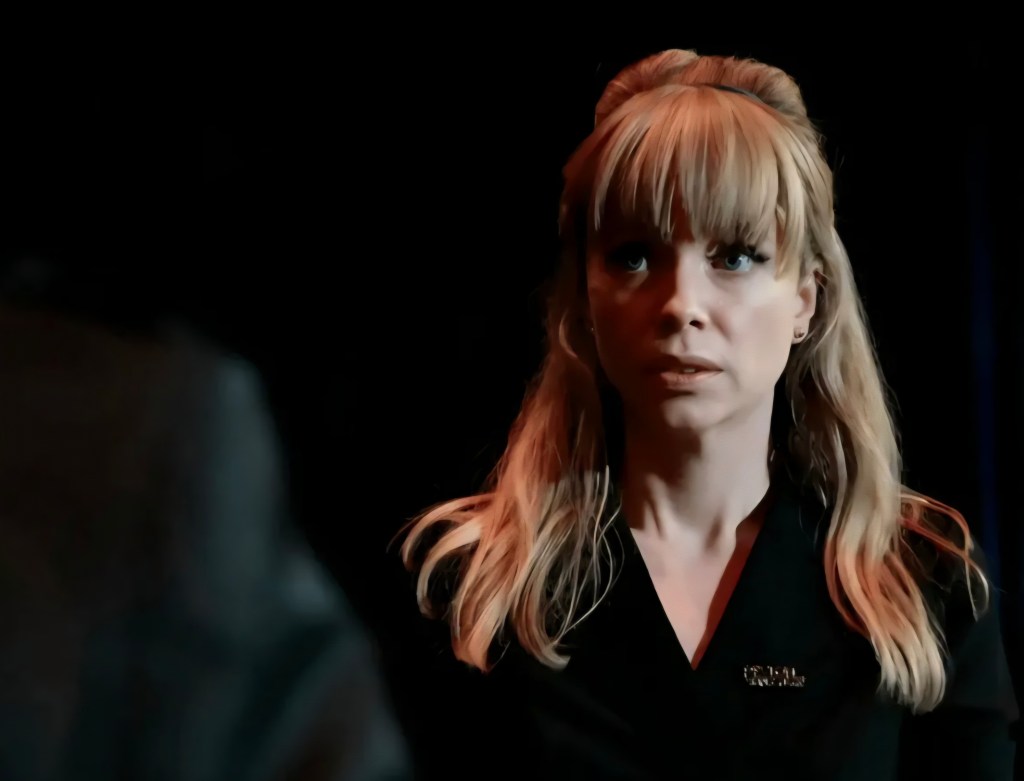
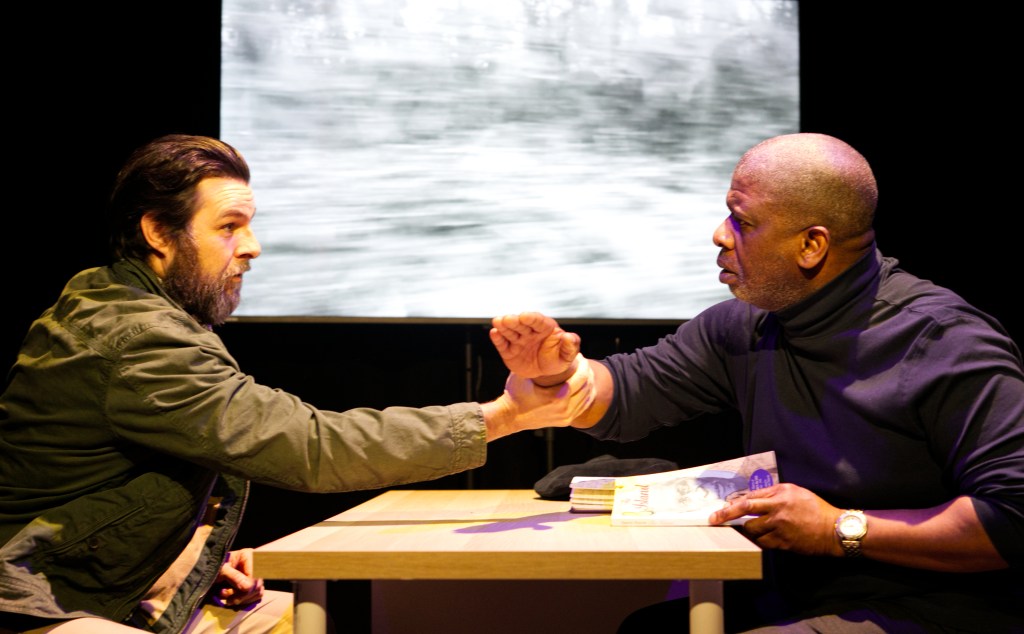
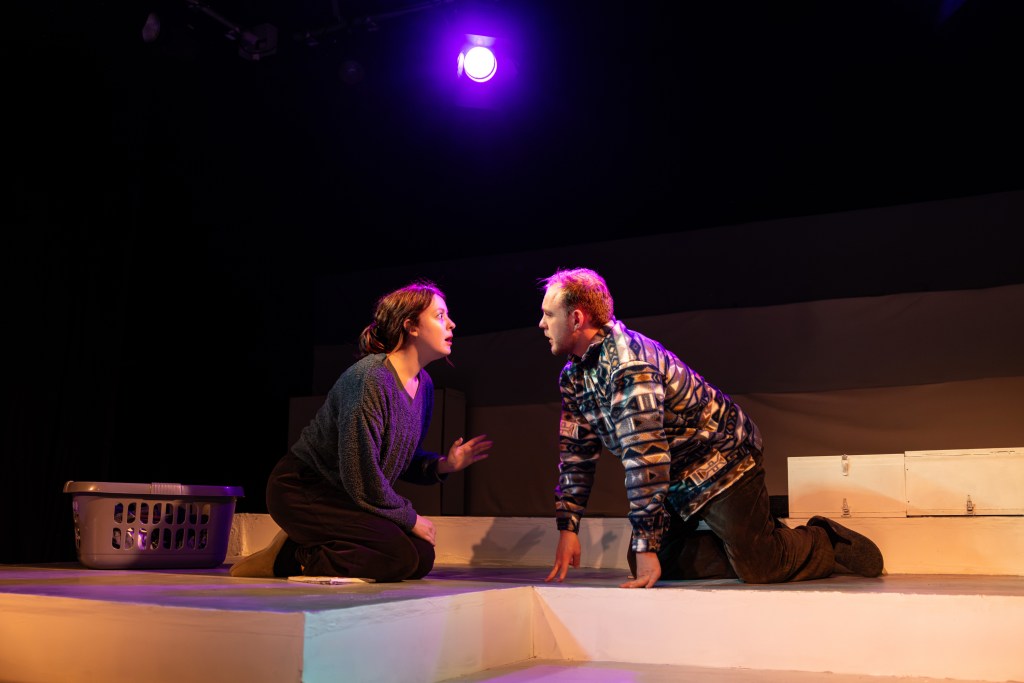
The play follows Arjun, an Indian tea connoisseur who has chosen homelessness as an expression of personal freedom, and Claire, an outreach worker determined to reintegrate him into society. Their encounter becomes a humorous, philosophical and deeply human exploration of happiness, autonomy and our assumptions about what constitutes a fulfilling life.
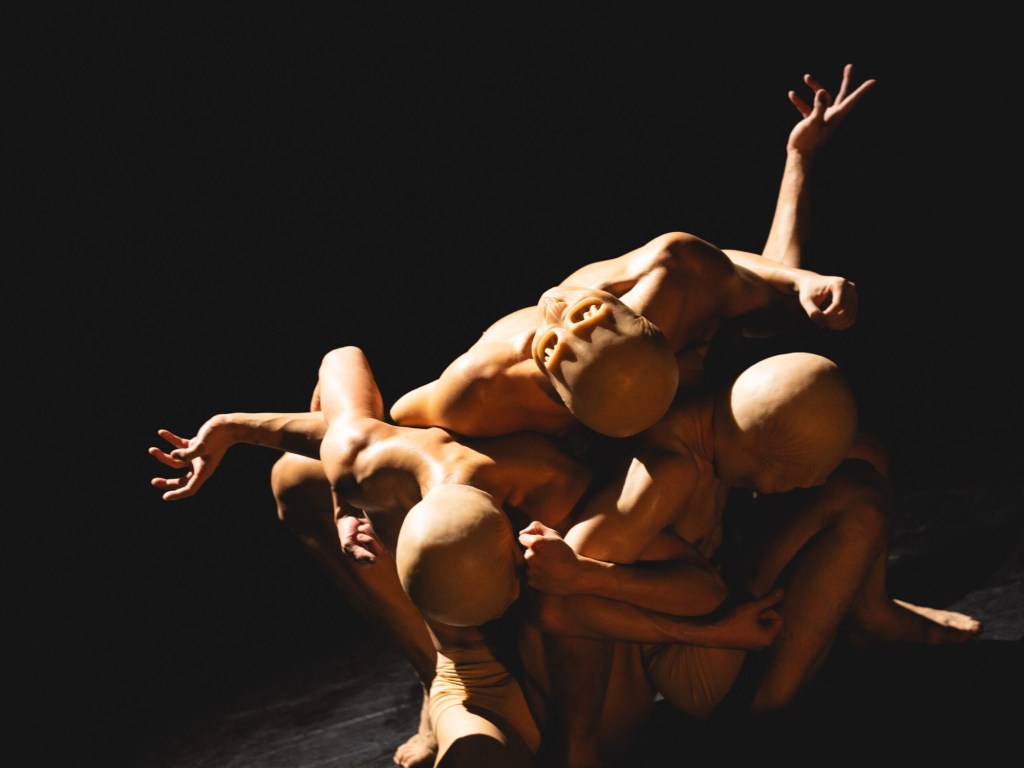
Brewtopia further develops Emotional Absurdia, an original dramaturgical framework I am creating, in which absurdist logic collides with emotional realism. Through surreal theatricality, physical storytelling and moments of unexpected tenderness, the play explores the contradictions of our human experience.
What inspired you to start making or performing theatre?
What drew me to creating my own theatre was the relationship between writing and the rehearsal room. I’m inspired by the detailed, collaborative work with actors and discovering how a pause, a gesture or an unexpected interpretation can reveal something I hadn’t anticipated when writing. The text becomes the starting point for a living, evolving exchange.
Have you taken this production anywhere before? How was it received by the audience?
Brewtopia will make its debut at Voila! Theatre Festival 2026, so this will be its first encounter with an audience.
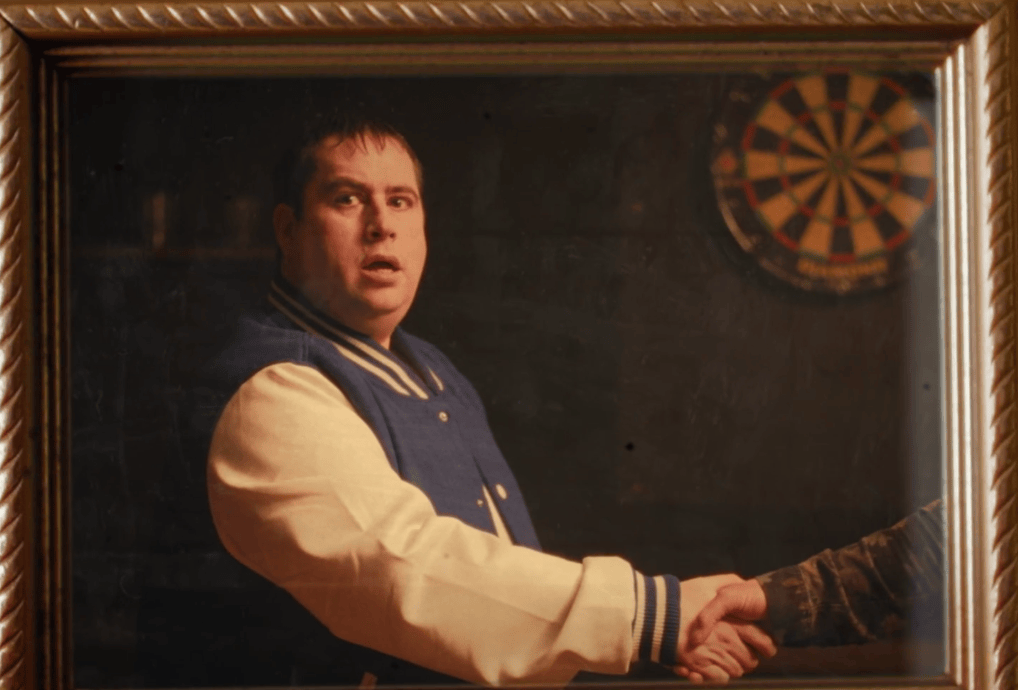
Also, its predecessor, Dick Fiddler is Dead, premiered at Voila! in 2025, where it enjoyed a sold-out run and received critical acclaim.
The response was particularly encouraging because the play asked audiences to surrender to an unconventional theatrical logic before gradually revealing its emotional centre. The reviews recognised both its surreal qualities and its underlying humanity.
That experience gave me the confidence to push the dramaturgical form further with Brewtopia. While the two plays are independent stories, they share a fascination with the human pursuit of happiness and the contradictions that so often accompany it.
Why did you choose to perform at the Voila Festival?
Voila! is particularly appealing because of its commitment to international, multilingual and boundary-crossing theatre. It provides a space for artists working across cultures, theatrical traditions and forms, which resonates strongly with my own practice.
Returning with Brewtopia after presenting Dick Fiddler is Dead last year also feels like a natural artistic progression. It offers an opportunity to continue the conversation with audiences while introducing another dimension of Emotional Absurdia.
I value festivals that are willing to embrace work that doesn’t fit neatly into established categories. For a developing dramaturgical framework, that openness is especially important.
Has there been anyone in your life who has inspired you to work in the theatre?
My late artistic mentor, Peter Marchetti, had a profound influence on how I approach my work. He had this wonderful way of taking a text, turning it inside out, questioning everything and dissecting it from every possible angle. And through that process, I would often discover things about my own writing that I hadn’t even realised were there. He taught me to stay curious, to question my work and to allow myself to be surprised by what I discovered. That’s something I’ve carried with me ever since.
I’m also very lucky to have my fellow writers Fran, Rebecca, Shai and Kate. We met through Criterion Theatre’s New Writing programme in 2022 and have stayed together ever since, forming our own close-knit circle of writers, learning and growing alongside one another. They’ve been a constant source of encouragement, inspiration and support.
And then, of course, there’s life itself. I’m endlessly fascinated by people, by what’s happening in the world around us and by all those little contradictions in human behaviour. The gap between what people say, what they believe and what they actually do is particularly interesting to me. There’s so much humour, sadness and absurdity in everyday life. Sometimes you only have to look around you to find the beginnings of a play.
How long have you been working on this particular production?
I started writing Brewtopia in April, and the script has been through four drafts. We began rehearsals in October, and it’s been fascinating to see the text come to life through the actors and the creative team’s contributions. The rehearsal room always reveals things you couldn’t have anticipated on the page.
I still see the play as being in its infancy, taking its first baby steps. After the showcase, I’d like to let it rest for a while, then return to it with fresh eyes and see where it might need further development. I’d like to give it the time and space to go through more drafts, evolve and mature. And I’m particularly curious to see what the audience’s response will reveal. That’s one of the wonderful things about theatre: the work keeps teaching you something new.
Do you have anything that you are planning on seeing while you are at the Voila Festival?
I’m particularly interested in discovering productions that explore unconventional forms of storytelling, especially those combining physical theatre, absurdity and different cultural perspectives. I’m also keen to engage with the conversations surrounding multilingual and cross-cultural dramaturgy.
What would you like audiences to take away from your production?
Perhaps a renewed appreciation of the extraordinary in the ordinary.
We spend so much of our lives pursuing happiness through achievement, possessions and the expectations of others that we sometimes overlook the quiet pleasures already within our reach.
For Arjun, making tea is not merely a ritual. It is his moment of happiness, a small act of resistance against a world that has forgotten how to be still.
But Brewtopia is not an argument that simplicity guarantees happiness, nor that freedom comes without consequences. I’m interested in the contradictions: between independence and belonging, care and control, happiness and its fragility.
Ultimately, I’d like audiences to leave with questions, perhaps looking at their own lives a little differently, and recognising that happiness might be far more elusive, complicated and wonderfully absurd than we care to admit.




Leave a Reply