Is this your first time at Edinburgh Fringe?
This will be my first time onstage at the Fringe, but I’ve spent the past two summers in the trenches as “chief roadie” for my husband, David Epley—better known as Doktor Kaboom. Before that, my calendar was full of comedy‑improv festivals, so I’ve logged plenty of long‑haul, multiple‑show‑per‑day marathons.
How long have you been preparing your show for Edinburgh?
I began writing the memoir on which Fuselage is based in 2019, completing the first draft by 2021. Since then I’ve been revising and editing while seeking a publisher. During last year’s Fringe, I received strong interest in transforming the memoir into a stage piece—also titled Fuselage—which felt fitting given my personal ties to Scotland and, specifically, Lockerbie. I started the adaptation soon after returning from the festival last September, and finished a working draft this past December. Casting then began shortly after with a workshop production occurring here in Seattle to help shape the show in late march/early April, receive audience feedback and making the approparate changes over the last month. We continue to refine the show with periodic rehearsals in preparation for our premiere in last July at the Fringe.
What is your motivation to perform there?
Beyone the simple fact that the Edinburgh Fringe Festieal is the world’s largest arts festiva, a beacon for performers, showcasing thousands of shows across genres, Edinburgh—and Scotland as a whole—is the only place that truly contains this story’s heart. The Pan Am 103 bombing over Lockerbie is a tragedy that forever links Scotland and the United States, yet in America it has largely slipped from public memory, eclipsed by later events like 9/11. Performing Fuselage at the Fringe lets me honor the people we lost on Scottish soil, stand in solidarity with the communities that still feel the impact, and re-ignite awareness of the first terrorist attack aimed at American civilians. No other stage feels as right for sharing this deeply entwined history.
What have you done to prepare for the Edinburgh Fringe, emotionally and physically?
A great deal has gone into preparing Fuselage for the Fringe. After completing the adaptation, I assembled a creative team—director, lighting and video designer, set designer, technicians, and actors—and we’ve held multiple table reads so design and performance could evolve together; the show’s multimedia vocabulary is integral to its storytelling.
Emotionally, the material is taxing for everyone, but especially for me. Reliving the Lockerbie tragedy onstage every night takes a toll, so I’ve built deliberate “entry” and “exit” rituals: breathing work, brief journaling, and a quiet decompression period after each run to leave the story on the stage.
Physically, the piece is demanding—more so as an older actor recovering from recent breast-cancer treatment that weakened my bones and stressed my joints. I train in strength, mobility, and stamina and schedule rest days with fierce discipline. These practices—artistic, emotional, and physical—give both myself, the other actors and the artistic team the resilience to meet the show’s challenges every single performance.
Have you had any advice from other’s who have performed at the Fringe?
Here’s the best advice I’ve collected (and intend to follow):
- Protect the machine. Twenty‑plus consecutive performances is a glorious grind. Hydrate like it’s a sport, feed yourself real food, and schedule actual sleep. Your voice, brain, and mood will thank you on Day 24.
- Pace yourself. Yes, the programme is a plethora of must‑see shows, but sprinting from venue to venue on four hours’ rest will flatten your own performance. Pick a few “non‑negotiables,” leave room for happy accidents, and then call it good.
- Say yes to serendipity. Duck into something you’ve never heard of, or accept that late‑night invite for a pint with a juggler from Lisbon and a playwright from Seoul. Half the Fringe magic happens in the gaps between shows.
- Remember where you are. Edinburgh itself is spectacular. Carve out an afternoon to wander the closes, climb Arthur’s Seat, or escape to the countryside for a breath of green. Refilling the creative well beats another doom‑scroll through your ticket sales app.
- Eat well. It’s tempting to live on crisps and caffeine, but this city is packed with world‑class food. A proper meal can be the day’s best warm‑up.
Have you visited Scotland or Edinburgh before?
Yes—my relationship with Scotland has deepened over the past few years. I first visited Edinburgh and Lockerbie in early 2019 (and again later that year). It was the first time since the Pan Am 103 bombing I had been able to step foot into the country. Up until that time, Lockerbie, to me, had been a place on fire, 259 people killed mid-flight, my friends bodies scattered across the countryside. Since my first visit to Lockerbie however, and the subsquent healing and friendships that have occurred from those visits, I have returned several times. As well, for the past two summers I’ve been at the Fringe in Edinburgh supporting my husband, performer David Epley (a.k.a. Doktor Kaboom).
How have you found booking accommodation?
Oh tricky question. Not officially, no not yet. But so far every year we have made it work with a shared situation with many other performers both in the fringe and street performers who are both friends and part of that that festival. Fingers crossed it will all work out.
What plans do you have for your show after the Edinburgh Fringe is over?
After the Fringe we hope to line up professional runs in the U.S. —we are in the beginning converations with Syracuse Stage, which serves a community with whom has a deep connection to the story itself, and with venues in Seattle.
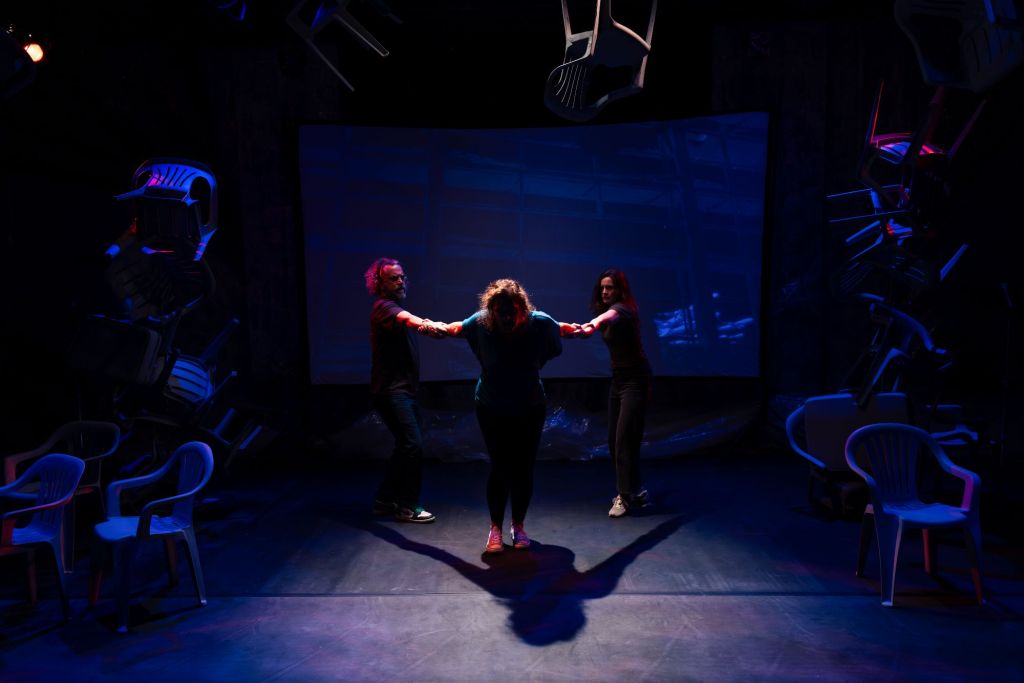
Beyond that, my bigger ambition is to tour Fuselage across the U.K. The production travels well: it thrives in a variety of spaces even adapting to a thrust configuration, ideally runs a tight 90 minutes with no interval (although the fringe version is a tight 70 minutes), and needs only a single projector. I’d love to take it to regional theatres and festivals throughout Scotland and England, sharing the story in the places that shaped it.
Please feel free to add anything else you would like to include in the interview.
Just a bit about the show itself:
Fuselage is the story I never thought I’d have the courage—or distance—to tell onstage. In December 1988, I stood on the stoop of our flat waving goodbye to several classmates, including my best friend Theodora Cohen. They boarded Pan Am Flight 103; I stayed behind because I couldn’t afford the ticket change. Hours later the plane exploded over Lockerbie, Scotland. What followed—panic attacks that seemed to predict the tragedy, relentless media scrutiny, and an isolating grief—became the raw material I’m finally ready to shape into theatre.
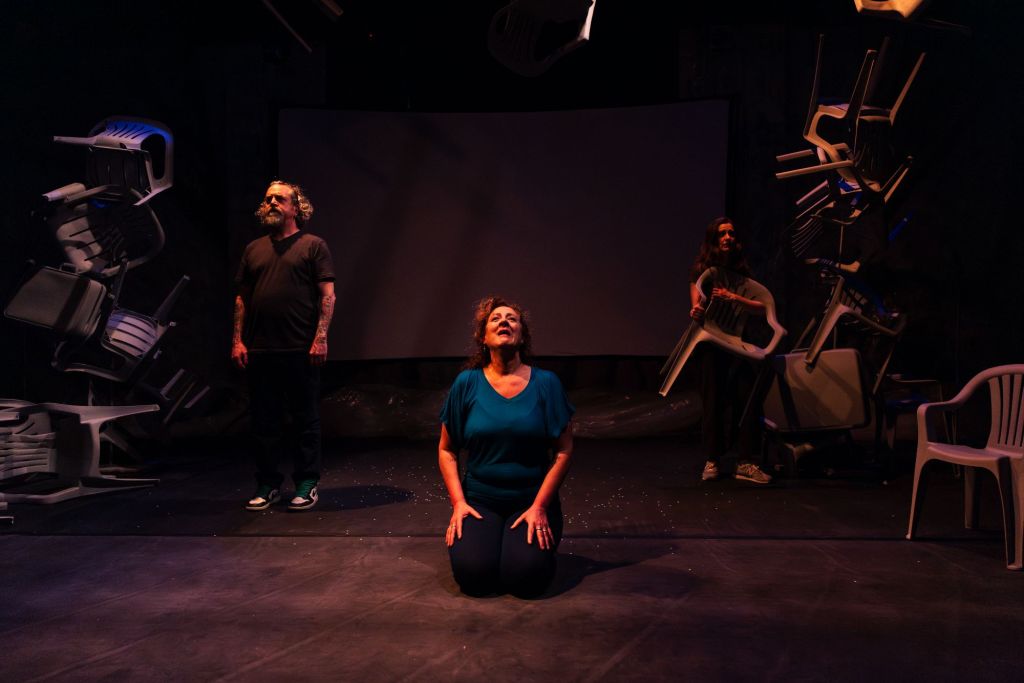
The play unfolds with a nimble three‑person ensemble who slip between nineteen‑year‑old me, my giddy band of study‑abroad friends, and the Lockerbie locals—specifically one remarkable eighteen‑year‑old constable, Colin Dorrance—who carried the weight of that night in ways the world rarely sees. Humor threads through the piece (my survivors’ instinct), but so does the brutal honesty of guilt and loss. Together we map the shock waves: from prophetic nightmares of falling planes to the moment molten metal rained on a Scottish hillside, and the stubborn, complicated hope that surfaces when strangers share their stories.
At its heart, Fuselage is a love letter to precarious, ordinary days—and to the people who fill them. It’s part memoir, part collective ritual, and entirely dedicated to remembering how fiercely life asks us to stay awake to one another.
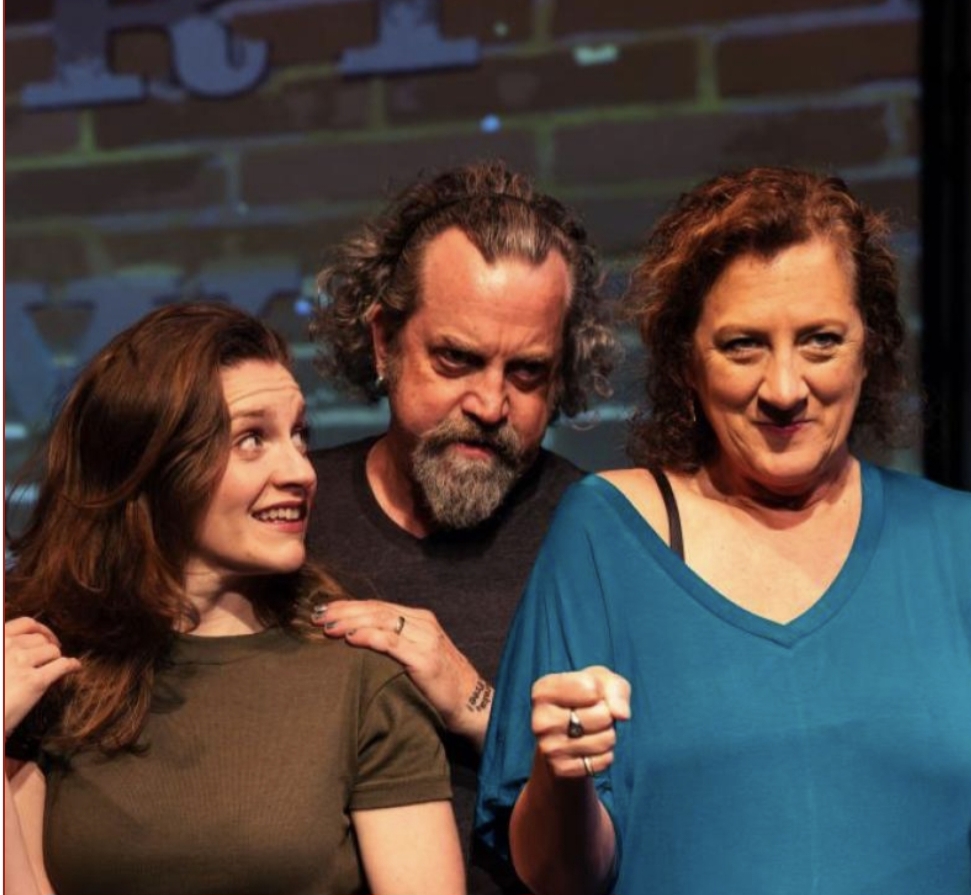
Photo credit Gioa Nguyen.
https://www.edfringe.com/tickets/whats-on/fuselage
https://www.pleasance.co.uk/event/fuselage





Leave a Reply