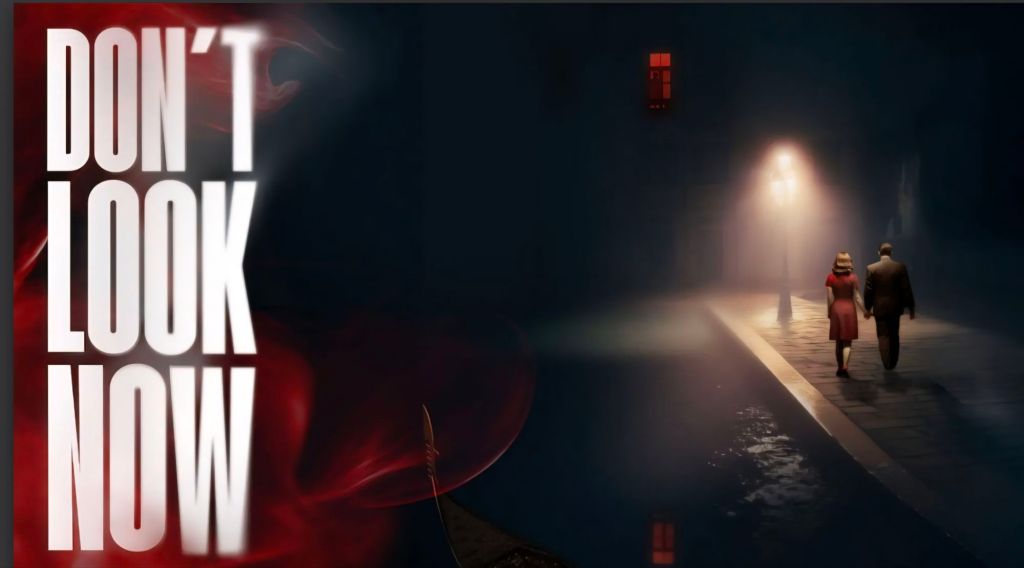
Daphne Du Maurier’s story Don’t Look Now has been adapted for the stage by Nell Leyshon and is currently performing at Salisbury Playhouse.
Laura and John Baxter played by Sophie Robinson and Mark Jackson have arrived in Venice where they first honeymooned ten years ago. John is trying to rebuild the couple’s relationship after the death of their second child. Although telling someone that they need “to get over it” isn’t helpful.
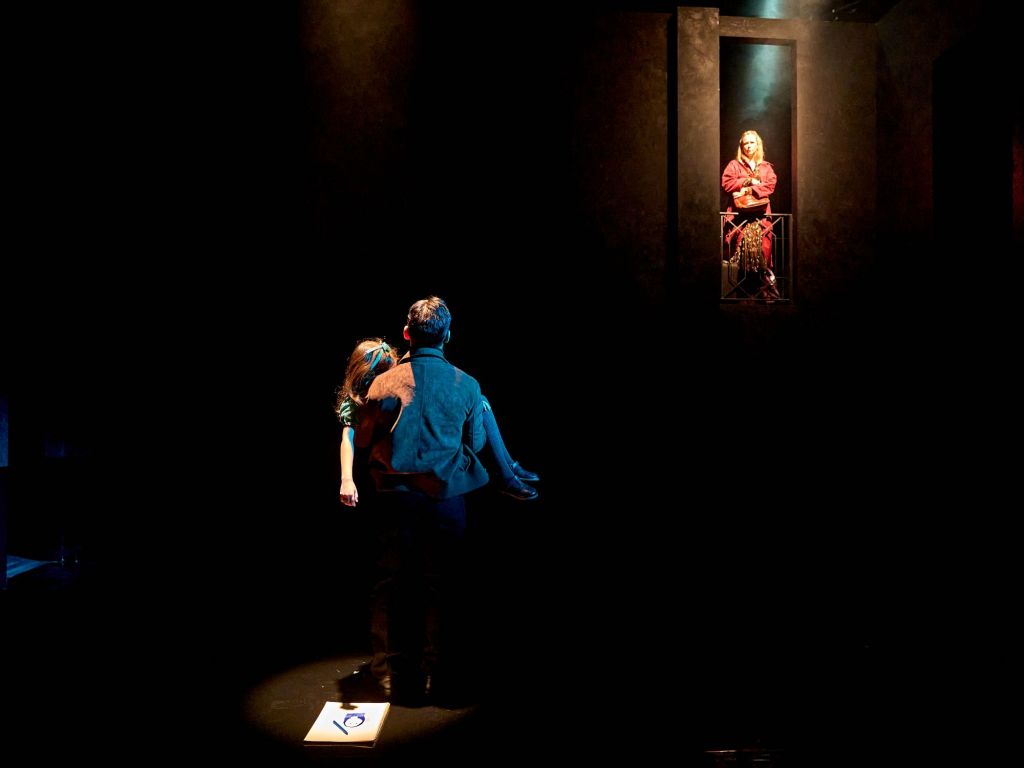
However, on their first night, the couple go to an off-the-tourist-track restaurant and has an encounter across the restaurant with two sisters played by Alex Bulmer and Olivia Carruthers. One of the sisters can apparently see ghosts and can see future events happening.

John is spooked by one of the sisters who has seen their daughter and tells Laura that she is happy and wants her Mum to be too. However, this is short-lived lived and the sister sees something evil about to happen and tells the couple to leave Venice straightaway!
Don’t Look Now has plenty of scope to have you at the edge of your seat and on a couple of occasions I did jump. However, in the main, it lacked the impact it could have had and felt a bit flat at times. Although Balmer and Carruthers as the two sisters deliver their roles perfectly throughout and at times they were unnerving me.
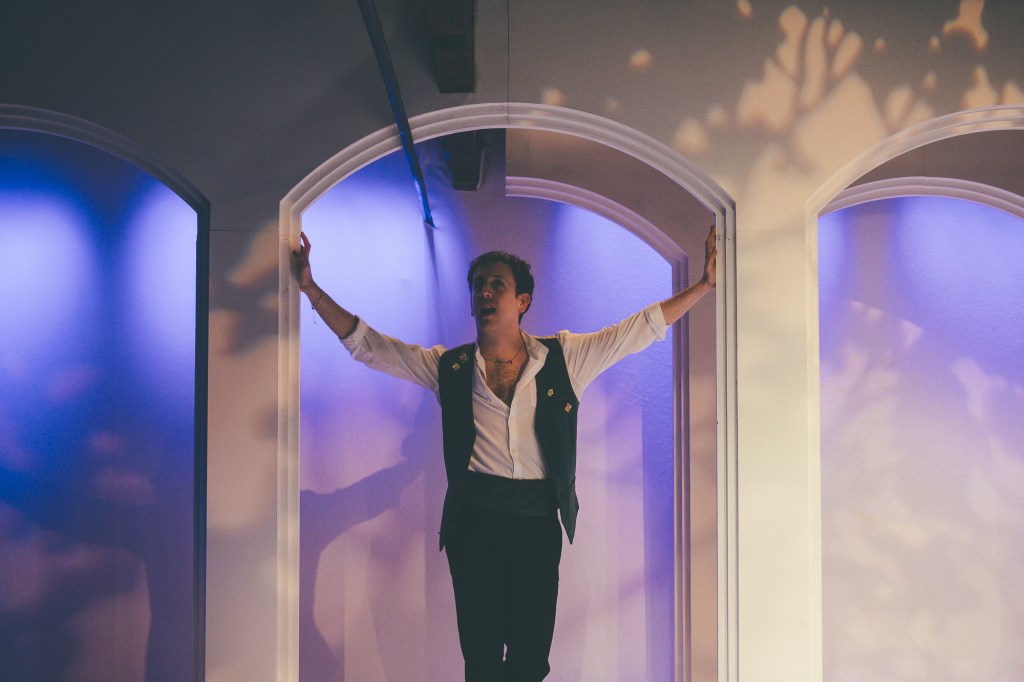
Jess Curtis created a set to portray the small steps and open windows that you find across Venice when you are walking through the streets.
For anyone who has been there you can envisage running through the narrow streets and unknown people have plenty of dark areas to hide their identities.

There aren’t any particular spoilers in this storyline as the story was published fifty-four years ago in 1971. Audiences today still have a thirst for the supernatural and unexplained events. Don’t Look Now has plenty of those wrapped inside the storyline, a few more jump scenes would have been welcomed.
For more information about Don’t Look Now and future productions at Salisbury Playhouse please use the link below.
Three Stars.
Photography Credit – Manuel Harlan.



 Theatre, Art and Film Reviews
Leave a comment